

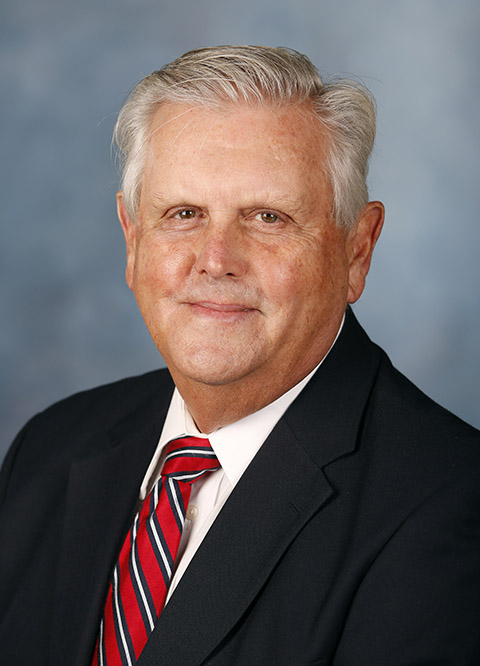

This week, we had an interesting presentation to the Budget Review Subcommittee of the Kentucky General Assembly.
The committee had asked for several updates. We provided an update on the funding from the American Recovery and Reinvestment Act (ARRA), an update on the new school facility classification system, an update on school calendars, an update on school tax levies and an update on end-of-year fund balances for school systems.
This week also saw the release of a tremendous amount of test data from our Kentucky Core Content Tests, Iowa Tests of Basic Skills, No Child Left Behind targets, gap-to-goal information and our new report required by 2009’s Senate Bill 1 for college and career readiness of the graduating class of 2010. If you missed this data, please visit our new OpenHouse site.
Issues around school calendars were of particular interest to legislators at the committee meeting. During the 2010 legislative session, the General Assembly reduced funding from the 2008-10 budget, providing one fewer day of instruction for the 2011-12 biennium. The information I presented at the meeting is as follows:
Instructional days -- 87 districts reduced the number of instructional days this year, while 13 increased days, and 74 districts maintained the same number of instructional days.
Teacher contract days -- 84 districts had no change in contract days, while 37 districts reduced contract days by one, and 53 districts reduced contract days by two.
We have released a tremendous amount of data, and we have a guiding principle of transparency of data at KDE. For that purpose, we also are providing access to the reports provided to the Budget Review Subcommittee. You can see those on my presentations page here.
We encourage school districts to be fully transparent about their fund balances and for what purposes those funds will be used. As a former superintendent, I certainly realize the need to have cash flow to meet payroll demands prior to tax receipts. I also know that many of our school systems are saving funds for early childhood centers, school facilities, textbooks, new school start-up costs and sick leave payment. Also, most financial experts recommend a 6-8 percent fund balance for emergency purposes. All of these purposes are valid; however, it is important to keep citizens fully informed of these and other issues.
Friday, September 24, 2010


Friday, September 17, 2010
Adequate Yearly Progress – The Rest of the Story
Over the last few months, I have been working at the state and national level on developing accountability models for schools, districts and states that might help us replace the existing No Child Left Behind (NCLB) model called Adequate Yearly Progress (AYP).
While AYP helped us focus on ALL children, the measure had numerous flaws. In Kentucky, we have been developing a new accountability system per requirements of 2009’s Senate Bill 1. On September 23, we will release reports that demonstrate our proposed model that focuses on college and career readiness, proficiency, growth and closing gaps. We feel this model is much better than the singular focus on proficiency that NCLB provided. Parts of the following paragraphs come from previous blogs I have written about AYP and will help readers understand my concerns with AYP.
As a baseball player, you want to get a hit every time you bat. What if you got a hit 9 out 10 times you went to bat, but your stats only listed you simply as a ‘failure?’ What if your football team won 10 out of 11 games, but you were still told you failed? What if you took a 100-item test and answered 99 items correctly, yet when you received your grade, it’s a large, red ‘F?’
Sounds ridiculous, doesn’t it? That’s because it is! However, this is exactly what the No Child Left Behind measure known as Adequate Yearly Progress does to schools.
As an educator, I can’t deny that the purpose of NCLB is very laudable. We all want every child to be successful. The measure of AYP was never intended to label schools as failures, nor have teachers felt like they are failures. However, each year around this time, news reports all over the state and nation come out about NCLB and how schools have failed to make the grade or how schools have come up short on the NCLB scale.
While the goal of NCLB is certainly a noble one, the creators of this legislation have failed to properly communicate its true, albeit very complicated, meaning. As Commissioner of Education in Kentucky, I want to help our community better understand this thing called Adequate Yearly Progress.
Every school has something called ‘subgroups’ of students. These subgroups are defined by the federal government, not schools. Possible subgroups include students with disabilities; African-American students; students who are economically disadvantaged; students who speak, read and write with limited English proficiency; and others. Each subgroup of students must meet both reading and mathematics goals at a level defined by the state. Each subgroup therefore becomes a goal that each school must work to meet.
Some schools have as many as 25 subgroups (goals), and some schools have as few as three subgroups (goals), depending upon the makeup of the school’s student population. Schools that have higher socio-economic levels and less diversity among their students have fewer subgroups and thus have fewer goals to meet.
Schools and districts all across Kentucky are being labeled as failures even though they may reach 80-95 percent of their goals. Ridiculous -- and most parents understand that this is ridiculous. Recent PDK Gallup polls show that the majority of parents and the public do not think NCLB measures have improved schools.
As commissioner, I am extremely proud of the dedication and hard work of teachers and administrators in Kentucky. I am extremely proud of the community partners who are helping our schools reach higher levels of performance. Teachers and staff members deserve a pat on the back and encouragement from the community.
No Child Left Behind is coming up for re-authorization in the next year or so. I encourage all citizens to help teachers and staff communicate to our politicians that we support helping children be successful; however, we need other ways to announce the results of our efforts and the progress, not failure, of our schools. In Kentucky, the requirements of Senate Bill 1 will serve as a model for the nation as we consider reauthorization of NCLB.
While AYP helped us focus on ALL children, the measure had numerous flaws. In Kentucky, we have been developing a new accountability system per requirements of 2009’s Senate Bill 1. On September 23, we will release reports that demonstrate our proposed model that focuses on college and career readiness, proficiency, growth and closing gaps. We feel this model is much better than the singular focus on proficiency that NCLB provided. Parts of the following paragraphs come from previous blogs I have written about AYP and will help readers understand my concerns with AYP.
As a baseball player, you want to get a hit every time you bat. What if you got a hit 9 out 10 times you went to bat, but your stats only listed you simply as a ‘failure?’ What if your football team won 10 out of 11 games, but you were still told you failed? What if you took a 100-item test and answered 99 items correctly, yet when you received your grade, it’s a large, red ‘F?’
Sounds ridiculous, doesn’t it? That’s because it is! However, this is exactly what the No Child Left Behind measure known as Adequate Yearly Progress does to schools.
As an educator, I can’t deny that the purpose of NCLB is very laudable. We all want every child to be successful. The measure of AYP was never intended to label schools as failures, nor have teachers felt like they are failures. However, each year around this time, news reports all over the state and nation come out about NCLB and how schools have failed to make the grade or how schools have come up short on the NCLB scale.
While the goal of NCLB is certainly a noble one, the creators of this legislation have failed to properly communicate its true, albeit very complicated, meaning. As Commissioner of Education in Kentucky, I want to help our community better understand this thing called Adequate Yearly Progress.
Every school has something called ‘subgroups’ of students. These subgroups are defined by the federal government, not schools. Possible subgroups include students with disabilities; African-American students; students who are economically disadvantaged; students who speak, read and write with limited English proficiency; and others. Each subgroup of students must meet both reading and mathematics goals at a level defined by the state. Each subgroup therefore becomes a goal that each school must work to meet.
Some schools have as many as 25 subgroups (goals), and some schools have as few as three subgroups (goals), depending upon the makeup of the school’s student population. Schools that have higher socio-economic levels and less diversity among their students have fewer subgroups and thus have fewer goals to meet.
Schools and districts all across Kentucky are being labeled as failures even though they may reach 80-95 percent of their goals. Ridiculous -- and most parents understand that this is ridiculous. Recent PDK Gallup polls show that the majority of parents and the public do not think NCLB measures have improved schools.
As commissioner, I am extremely proud of the dedication and hard work of teachers and administrators in Kentucky. I am extremely proud of the community partners who are helping our schools reach higher levels of performance. Teachers and staff members deserve a pat on the back and encouragement from the community.
No Child Left Behind is coming up for re-authorization in the next year or so. I encourage all citizens to help teachers and staff communicate to our politicians that we support helping children be successful; however, we need other ways to announce the results of our efforts and the progress, not failure, of our schools. In Kentucky, the requirements of Senate Bill 1 will serve as a model for the nation as we consider reauthorization of NCLB.
Friday, September 10, 2010
Innovation in Kentucky Schools
This past week, the Kentucky Department of Education (KDE), along with the Council of Chief State School Officers, Stupski Foundation, University of Kentucky and Centre College, sponsored an event that focused on Next-Generation Learning.
What is Next-Generation Learning?
It’s defined as a personalized system of education that prepares each child for life, work and citizenship in the 21st century.
Next-Generation Learning includes critical attributes such as:
1. personalized learning
2. comprehensive systems of learning supports
3. world-class knowledge and skills
4. performance-based learning
5. any time, anywhere opportunities
6. authentic student voice
An example I used at the conference may help readers get a little insight into what this might look like in schools of the future.
*************************************************************
It’s 7:30 in the evening, and our student -- we’ll call him Alex -- enters his bedroom to begin his nightly homework. Alex is a 15-year-old sophomore in high school. He’s a pretty typical kid: on the soccer team and a struggling trumpet player (as a former band director, I can tell you he’d improve if he’d only practice), and he’s a member of the Key Club. Alex also is a member of four different Learning Teams that constitute his academic schedule.
Okay, time for homework. Alex sits down at his desk, boots up his computer, opens a Web browser and logs into his education portal. Each of his Learning Teams, as well as his extracurricular activities, has a dedicated section on his portal’s homepage that includes a news feed, calendar, photos, video and message board capabilities.
Alex clicks on his NorthFace Learning Team in the Science section. It is one of five interdisciplinary, multi-age teams in the school that has been “hired” by NorthFace to analyze various materials for use as the bottom of a backpack. NorthFace has provided specs, swatches and possible designs. Each team has one semester to complete its analysis and provide feedback to the company.
In consultation with the Lead Teacher, the team is exploring various chemical compounds that could be used on the fabric to increase its durability and water resistance. As a sophomore, Alex needs to meet state Chemistry Standards, so he has been appointed Chem Lead and is responsible for leading tomorrow’s discussion and backgrounding his team on the various chemical options, along with predictions on what would work best. Alex’s teacher has uploaded a set of videos, articles and narrated presentations that cover polymers, chemical bonds and the rest of the matter, plus links to websites for further reading. Alex starts reading and analyzing, and completes his presentation to the team.
Alex also finishes several other learning-based objectives for his other teams that night.
Since he completed a project last week, Alex needs to develop or join another team to fill up his schedule. Before he goes to bed, he reviews his online competency chart that lists the skills and standards he has mastered, along with those he still must complete. He clicks on the school’s Project Blog that lists available projects, including a narrative abstract, a description of each participants’ role and the expected competencies or content that the student will need to master in order to be a successful part of the team. He highlights a few projects in which he is interested.
Alex checks his online resume to make sure it is updated with his latest skills and competencies from the teacher gradebook. He sets a reminder in his handheld computer to “interview” with each Project Lead during “hiring” time tomorrow morning.
As Alex arrives at school the next day, he pulls out his mobile device and opens the “hiring app,” which gives him the Project Lead’s name, picture and location in the school’s common area of each project he highlighted the night before.
He meets Rosa, who’s project is designing and building the set for the upcoming play. She scans the barcode on his ID card, and his online resume pops up on the computer. They review it and discuss the project.
She is looking for someone to spearhead the design and draft construction plans. He is interested in applying his algebra and geometry knowledge. Rosa thinks Alex is a little short on experience, but agrees he could serve as assistant designer if she can find a suitable upperclassman to be the designer. Alex adds the project to those he will discuss with his advisor later in the day.
As you can see, the Next-Generation Learning experience is rich with learning, knowledge and skill-building that will prepare Alex and other students like him for what’s ahead.
*************************************************************
To learn more about the conference and to view the presentations, click on the URLs below.
· Video and audio: mms://video1.education.ky.gov/On-Demand2010/NGLS_9-7-2010.wmv
· Downloadable audio podcast: http://media.education.ky.gov/video1/On-Demand2010/NGLS_9-7-2010.mp3
Look for much more in coming months as we develop our innovation continuum in Kentucky.
What is Next-Generation Learning?
It’s defined as a personalized system of education that prepares each child for life, work and citizenship in the 21st century.
Next-Generation Learning includes critical attributes such as:
1. personalized learning
2. comprehensive systems of learning supports
3. world-class knowledge and skills
4. performance-based learning
5. any time, anywhere opportunities
6. authentic student voice
An example I used at the conference may help readers get a little insight into what this might look like in schools of the future.
*************************************************************
It’s 7:30 in the evening, and our student -- we’ll call him Alex -- enters his bedroom to begin his nightly homework. Alex is a 15-year-old sophomore in high school. He’s a pretty typical kid: on the soccer team and a struggling trumpet player (as a former band director, I can tell you he’d improve if he’d only practice), and he’s a member of the Key Club. Alex also is a member of four different Learning Teams that constitute his academic schedule.
Okay, time for homework. Alex sits down at his desk, boots up his computer, opens a Web browser and logs into his education portal. Each of his Learning Teams, as well as his extracurricular activities, has a dedicated section on his portal’s homepage that includes a news feed, calendar, photos, video and message board capabilities.
Alex clicks on his NorthFace Learning Team in the Science section. It is one of five interdisciplinary, multi-age teams in the school that has been “hired” by NorthFace to analyze various materials for use as the bottom of a backpack. NorthFace has provided specs, swatches and possible designs. Each team has one semester to complete its analysis and provide feedback to the company.
In consultation with the Lead Teacher, the team is exploring various chemical compounds that could be used on the fabric to increase its durability and water resistance. As a sophomore, Alex needs to meet state Chemistry Standards, so he has been appointed Chem Lead and is responsible for leading tomorrow’s discussion and backgrounding his team on the various chemical options, along with predictions on what would work best. Alex’s teacher has uploaded a set of videos, articles and narrated presentations that cover polymers, chemical bonds and the rest of the matter, plus links to websites for further reading. Alex starts reading and analyzing, and completes his presentation to the team.
Alex also finishes several other learning-based objectives for his other teams that night.
Since he completed a project last week, Alex needs to develop or join another team to fill up his schedule. Before he goes to bed, he reviews his online competency chart that lists the skills and standards he has mastered, along with those he still must complete. He clicks on the school’s Project Blog that lists available projects, including a narrative abstract, a description of each participants’ role and the expected competencies or content that the student will need to master in order to be a successful part of the team. He highlights a few projects in which he is interested.
Alex checks his online resume to make sure it is updated with his latest skills and competencies from the teacher gradebook. He sets a reminder in his handheld computer to “interview” with each Project Lead during “hiring” time tomorrow morning.
As Alex arrives at school the next day, he pulls out his mobile device and opens the “hiring app,” which gives him the Project Lead’s name, picture and location in the school’s common area of each project he highlighted the night before.
He meets Rosa, who’s project is designing and building the set for the upcoming play. She scans the barcode on his ID card, and his online resume pops up on the computer. They review it and discuss the project.
She is looking for someone to spearhead the design and draft construction plans. He is interested in applying his algebra and geometry knowledge. Rosa thinks Alex is a little short on experience, but agrees he could serve as assistant designer if she can find a suitable upperclassman to be the designer. Alex adds the project to those he will discuss with his advisor later in the day.
As you can see, the Next-Generation Learning experience is rich with learning, knowledge and skill-building that will prepare Alex and other students like him for what’s ahead.
*************************************************************
To learn more about the conference and to view the presentations, click on the URLs below.
· Video and audio: mms://video1.education.ky.gov/On-Demand2010/NGLS_9-7-2010.wmv
· Downloadable audio podcast: http://media.education.ky.gov/video1/On-Demand2010/NGLS_9-7-2010.mp3
Look for much more in coming months as we develop our innovation continuum in Kentucky.
Friday, August 27, 2010
Respect for Teachers
This week, several readers sent me a link to an NEAToday article: http://tinyurl.com/332xvzd.
Instead of my usual blog, I hope that readers will take a few moments to read this interesting article from a Florida teacher. (NEAToday is published by the National Education Association.)
My concern as commissioner is that we do not see similar disquiet from Kentucky teachers. With the decision this week concerning federal Race to the Top (RTTT) funds, we are now faced with a major issue of funding for the implementation of 2009’s Senate Bill 1 (SB 1).
SB 1’s mandates and our Race to the Top plan are excellent. I feel certain that if we deploy the Race to the Top plan, we will have better results for college and career readiness than any state that actually received RTTT funding. The major problem is finding the funds to provide support to teachers.
Teachers will need textbooks, instructional materials, intervention materials, professional development and time to plan and meet with other teachers. These strategies do not come without a cost. I do believe that existing funds in the state budget could be reallocated to address the needs of SB 1. Now that we know there are no dollars from RTTT, we must begin to work on moving funds. This strategy will not be popular; however, we must focus on the Commonwealth rather than individual projects that serve only one or a handful of schools and districts.
Our most important assets in education are the teachers in the classrooms. Our most important natural resources in Kentucky are the children in the classrooms. These children cannot wait a generation to see if we have funding to improve our schools. We must invest now to ensure the future.
Instead of my usual blog, I hope that readers will take a few moments to read this interesting article from a Florida teacher. (NEAToday is published by the National Education Association.)
My concern as commissioner is that we do not see similar disquiet from Kentucky teachers. With the decision this week concerning federal Race to the Top (RTTT) funds, we are now faced with a major issue of funding for the implementation of 2009’s Senate Bill 1 (SB 1).
SB 1’s mandates and our Race to the Top plan are excellent. I feel certain that if we deploy the Race to the Top plan, we will have better results for college and career readiness than any state that actually received RTTT funding. The major problem is finding the funds to provide support to teachers.
Teachers will need textbooks, instructional materials, intervention materials, professional development and time to plan and meet with other teachers. These strategies do not come without a cost. I do believe that existing funds in the state budget could be reallocated to address the needs of SB 1. Now that we know there are no dollars from RTTT, we must begin to work on moving funds. This strategy will not be popular; however, we must focus on the Commonwealth rather than individual projects that serve only one or a handful of schools and districts.
Our most important assets in education are the teachers in the classrooms. Our most important natural resources in Kentucky are the children in the classrooms. These children cannot wait a generation to see if we have funding to improve our schools. We must invest now to ensure the future.
Friday, August 20, 2010
College- and Career-Ready Students: More Work to Do
Last week, I highlighted projections for the Class of 2010. This week, I want to do a follow-up concerning the results of the ACT for the Class of 2010.
I know many of you heard reports this week that fewer than one in four high school graduates across the nation met benchmarks for college readiness. Through this blog, I hope to explain what those benchmarks measure.
Kentucky is one of a few states that require all 8th, 10th and 11th graders to take the components of ACT, Inc.’s Educational Planning and Assessment System (EPAS). In 8th grade, students take the EXPLORE assessment ,and then in 10th grade they take the PLAN assessment. At 11th grade, students actually take the ACT. EPAS reports results at each grade level showing whether or not students are scoring at the college-ready level for the specific grade. The reports are based on assessments of English, mathematics, reading and science.
At the 11th grade, the benchmark scores predict that a student has a 75 percent chance of making a C or better in a college entry-level course such as English 101, College Algebra, College Social Science and/or College Biology. Each subject-level component of the ACT has a separate benchmark score. ACT also reports on the percentage of students who score college-ready for all four areas. This is what is often reported in the media. Nationwide, 24 percent of students met benchmarks for all four areas. In Kentucky, 14 percent did.
Readers need to know a couple of things as they interpret the scores. Kentucky’s scores include all public school 11th-grade students. Most states do NOT assess all students, and the percentage assessed can range from 100 percent to less than 4 percent, depending on the state. In 2006, only 24,930 Kentucky 11th graders took the ACT, compared to 41,227 in 2010. So, comparing results from 2006 to 2010 is not appropriate, and comparing Kentucky results to other states who have significantly smaller numbers of students taking the ACT is inappropriate.
However, as Commissioner of Education, I am extremely concerned for our state and our nation. As I reported last week, our state’s and nation’s futures are tied to our level of education due to the increasing demands for higher levels of skills by employers. From 1970, when more than 80 percent of jobs in our state and nation only required a high school degree or less, we are now moving toward an economy that will have 80 percent of jobs that require training beyond high school, and 63 percent of those jobs will require a postsecondary degree. The ACT demonstrates one measure that reveals we have a large gap in our high school graduates’ readiness for college and career.
Another component of the ACT results that is worrisome to me is the HUGE gap between white students and African American students in our public schools.
* In English, 56 percent of white students met the benchmark, and only 30 percent of African American students met the benchmark.
* In math, 27 percent of white students met the benchmark, and only 9 percent of African American students met the benchmark.
* In reading, 41 percent of white students met the benchmark, compared to 18 percent of African American students.
* In science, 21 percent of white students and 6 percent of African American students met the benchmark.
* For all four benchmarks, 15 percent of white students, compared to 4 percent of African American students, met all four benchmarks.
In 2009, the Kentucky General Assembly passed and Governor Steve Beshear signed Senate Bill 1, which focuses the state on improving the college and career readiness of our high school graduates. Governor Beshear has followed up with the Transforming Education in Kentucky (TEK) Task Force, which will recommend specific strategies to improve the outcomes of our public school graduates. The Kentucky Board of Education, Council on Postsecondary Education and the Education Professional Standards Board are all working closely together to improve the student learning outcomes. Many partners in the business community and private foundation community have joined in the call to action.
This week, the TEK Talk community forums held across Kentucky sought the input of citizens for this important work. The eyes of the nation were on Kentucky in 1990, when we were the first state to implement major finance and school reform. The eyes of the nation are once again upon Kentucky as we lead the way in improving the college and career readiness of our public school graduates. No one in the Commonwealth should sit on the sidelines for this major initiative. Thank you in advance for what you will do to support the children and the future of Kentucky.
I know many of you heard reports this week that fewer than one in four high school graduates across the nation met benchmarks for college readiness. Through this blog, I hope to explain what those benchmarks measure.
Kentucky is one of a few states that require all 8th, 10th and 11th graders to take the components of ACT, Inc.’s Educational Planning and Assessment System (EPAS). In 8th grade, students take the EXPLORE assessment ,and then in 10th grade they take the PLAN assessment. At 11th grade, students actually take the ACT. EPAS reports results at each grade level showing whether or not students are scoring at the college-ready level for the specific grade. The reports are based on assessments of English, mathematics, reading and science.
At the 11th grade, the benchmark scores predict that a student has a 75 percent chance of making a C or better in a college entry-level course such as English 101, College Algebra, College Social Science and/or College Biology. Each subject-level component of the ACT has a separate benchmark score. ACT also reports on the percentage of students who score college-ready for all four areas. This is what is often reported in the media. Nationwide, 24 percent of students met benchmarks for all four areas. In Kentucky, 14 percent did.
Readers need to know a couple of things as they interpret the scores. Kentucky’s scores include all public school 11th-grade students. Most states do NOT assess all students, and the percentage assessed can range from 100 percent to less than 4 percent, depending on the state. In 2006, only 24,930 Kentucky 11th graders took the ACT, compared to 41,227 in 2010. So, comparing results from 2006 to 2010 is not appropriate, and comparing Kentucky results to other states who have significantly smaller numbers of students taking the ACT is inappropriate.
However, as Commissioner of Education, I am extremely concerned for our state and our nation. As I reported last week, our state’s and nation’s futures are tied to our level of education due to the increasing demands for higher levels of skills by employers. From 1970, when more than 80 percent of jobs in our state and nation only required a high school degree or less, we are now moving toward an economy that will have 80 percent of jobs that require training beyond high school, and 63 percent of those jobs will require a postsecondary degree. The ACT demonstrates one measure that reveals we have a large gap in our high school graduates’ readiness for college and career.
Another component of the ACT results that is worrisome to me is the HUGE gap between white students and African American students in our public schools.
* In English, 56 percent of white students met the benchmark, and only 30 percent of African American students met the benchmark.
* In math, 27 percent of white students met the benchmark, and only 9 percent of African American students met the benchmark.
* In reading, 41 percent of white students met the benchmark, compared to 18 percent of African American students.
* In science, 21 percent of white students and 6 percent of African American students met the benchmark.
* For all four benchmarks, 15 percent of white students, compared to 4 percent of African American students, met all four benchmarks.
In 2009, the Kentucky General Assembly passed and Governor Steve Beshear signed Senate Bill 1, which focuses the state on improving the college and career readiness of our high school graduates. Governor Beshear has followed up with the Transforming Education in Kentucky (TEK) Task Force, which will recommend specific strategies to improve the outcomes of our public school graduates. The Kentucky Board of Education, Council on Postsecondary Education and the Education Professional Standards Board are all working closely together to improve the student learning outcomes. Many partners in the business community and private foundation community have joined in the call to action.
This week, the TEK Talk community forums held across Kentucky sought the input of citizens for this important work. The eyes of the nation were on Kentucky in 1990, when we were the first state to implement major finance and school reform. The eyes of the nation are once again upon Kentucky as we lead the way in improving the college and career readiness of our public school graduates. No one in the Commonwealth should sit on the sidelines for this major initiative. Thank you in advance for what you will do to support the children and the future of Kentucky.
Friday, August 13, 2010
The Class of 2010: What Does Their Future Look Like?
Over the past few weeks, several reports have spurred me to write this blog entry. The upcoming Class of 2010 ACT report; a recent report from the Center on Education and Workforce at Georgetown University; the College Completion Agenda from the College Board; and Achieving the Possible: What Americans Think About the College and Career Ready Agenda from Achieve, Inc. have informed this blog and hopefully will help us focus on the college- and career-ready agenda for the August 17 Transforming Education in Kentucky (TEK) forums and KET’s Education Matters broadcast.
Readers should note that the numbers below come from all of these reports and from existing demographic data for Kentucky citizens.
This blog focuses on the national agenda of increasing the percentage of Kentucky citizens who hold a postsecondary degree (two- or four- year) and the Kentucky Senate Bill 1 (2009) focus on college-ready graduates. I use the Class of 2010 to provide a concrete example of the impact of the predictions from the reports and previous Kentucky demographic data.
Readers should consider how they would feel if they had a child or relative in the Class of 2010 who recently graduated from a Kentucky high school.
* For every 1,000 9th graders who entered high school in the 2006-07 school year, only 740 actually graduated in 2010.
* Of the 740 who graduated, 670 indicated they would attend two- or four-year postsecondary institutions; however, only 592 will actually attend a postsecondary institution.
* Of the 592, 112 will attend two-year colleges, and only 18 of the 112 will be college-ready (no remediation courses).
* Of the 480 graduates who will attend four-year colleges, only 237 will be college-ready (no remediation courses).
* Of the 112 graduates attending two-year colleges, only 67 will return for the second year of school.
* Of the 480 attending four-year colleges, only 340 will return for the second year.
* Of the 112 attending two-year colleges, only 26 will graduate within three years with a degree. * Of the 480 attending four-year colleges, only 225 will graduate within six years.
In summary, of the 1,000 bright and eager high school freshmen from 2006-07 who entered with dreams of college and career, only 251 will achieve their dream of a two- or four-year degree within three or six years of graduation from high school. What happened to the other 749?
If Kentucky demographics can predict the future, then 80 will not have a high school diploma; 370 will have a high school diploma but no college credits; 210 will have a high school diploma and some college; and 90 will have a GED by the time they reach age 34.
In years past, this scenario may not have concerned parents; however, from the Georgetown University report and numerous other workforce predictions, 63 percent of jobs in 2018 will require a two- or four-year postsecondary degree, and more than 80 percent of jobs will require postsecondary degrees and/or technical training. So, it appears that for Kentucky to have a competitive employment and strong economy, about 800 of the 1,000 graduates really need postsecondary and/or technical training beyond high school.
However, we are projecting that only 251 will achieve the two- or four-year degree, and 210 will have some training beyond high school, for a total of 461 students possibly ready for 800 jobs. Where will employers get the other 339 employees? As I talk to employers now, they tell me they are either importing the employees or have to provide significant training and education to prospective employees at a high cost that impacts the competitive ability of the business.
As much of a concern should be the remaining 539 students who do not have two- or four-year degrees and/or some training beyond high school. More than 200 of them will settle for low-skill and low-wage jobs that do not pay a living wage for a family. The remainder (340) will strain the state’s budget through unemployment and medical, criminal and social costs.
Parents and the public get it, as evidenced from the Achieve report.
* There is widespread agreement (almost 90 percent) that all students need additional education and training beyond high school.
* Support for policies aimed to prepare high school students for college and careers is broad, deep and fully bipartisan with equally high numbers of Democratic, Republican and Independent voters supporting such (almost 90 percent for each group).
* There is strong support (two-thirds of respondents) for the specific policies that put common expectations in place for all students – including common standards, common assessments and graduation requirements among all states.
* More generally, there is near-universal agreement across partisan, ethnic/racial and geographic lines that some education and training beyond high school is necessary – and that stronger expectations in high school will go a long way towards preparing students for their next steps.
The central question for us in Kentucky is not who is to blame for these results, but what are we going to do about these results? There are those who will say we cannot fund or support schools and colleges to improve these results and prepare our children for the future; however, if we do not work to support improvements in outcomes, then we will probably be sending our children forward to a continuing recession and loss of America’s leadership among world economies.
The Kentucky Board of Education and the Kentucky Department of Education will release the first college- and career-ready report in late September. We will show the results for each high school and district in Kentucky. We will adopt a new accountability system that focuses on improving the college-and career-ready rates for Kentucky high school graduates. Numerous regulations and support mechanisms will be put in place; however, the ultimate work is in every school and district in Kentucky. This work does not belong just to high schools and colleges -- every parent, school, teacher, business leader and politician in Kentucky must work together to impact the future for our children. What will YOU do to support the children?
Readers should note that the numbers below come from all of these reports and from existing demographic data for Kentucky citizens.
This blog focuses on the national agenda of increasing the percentage of Kentucky citizens who hold a postsecondary degree (two- or four- year) and the Kentucky Senate Bill 1 (2009) focus on college-ready graduates. I use the Class of 2010 to provide a concrete example of the impact of the predictions from the reports and previous Kentucky demographic data.
Readers should consider how they would feel if they had a child or relative in the Class of 2010 who recently graduated from a Kentucky high school.
* For every 1,000 9th graders who entered high school in the 2006-07 school year, only 740 actually graduated in 2010.
* Of the 740 who graduated, 670 indicated they would attend two- or four-year postsecondary institutions; however, only 592 will actually attend a postsecondary institution.
* Of the 592, 112 will attend two-year colleges, and only 18 of the 112 will be college-ready (no remediation courses).
* Of the 480 graduates who will attend four-year colleges, only 237 will be college-ready (no remediation courses).
* Of the 112 graduates attending two-year colleges, only 67 will return for the second year of school.
* Of the 480 attending four-year colleges, only 340 will return for the second year.
* Of the 112 attending two-year colleges, only 26 will graduate within three years with a degree. * Of the 480 attending four-year colleges, only 225 will graduate within six years.
In summary, of the 1,000 bright and eager high school freshmen from 2006-07 who entered with dreams of college and career, only 251 will achieve their dream of a two- or four-year degree within three or six years of graduation from high school. What happened to the other 749?
If Kentucky demographics can predict the future, then 80 will not have a high school diploma; 370 will have a high school diploma but no college credits; 210 will have a high school diploma and some college; and 90 will have a GED by the time they reach age 34.
In years past, this scenario may not have concerned parents; however, from the Georgetown University report and numerous other workforce predictions, 63 percent of jobs in 2018 will require a two- or four-year postsecondary degree, and more than 80 percent of jobs will require postsecondary degrees and/or technical training. So, it appears that for Kentucky to have a competitive employment and strong economy, about 800 of the 1,000 graduates really need postsecondary and/or technical training beyond high school.
However, we are projecting that only 251 will achieve the two- or four-year degree, and 210 will have some training beyond high school, for a total of 461 students possibly ready for 800 jobs. Where will employers get the other 339 employees? As I talk to employers now, they tell me they are either importing the employees or have to provide significant training and education to prospective employees at a high cost that impacts the competitive ability of the business.
As much of a concern should be the remaining 539 students who do not have two- or four-year degrees and/or some training beyond high school. More than 200 of them will settle for low-skill and low-wage jobs that do not pay a living wage for a family. The remainder (340) will strain the state’s budget through unemployment and medical, criminal and social costs.
Parents and the public get it, as evidenced from the Achieve report.
* There is widespread agreement (almost 90 percent) that all students need additional education and training beyond high school.
* Support for policies aimed to prepare high school students for college and careers is broad, deep and fully bipartisan with equally high numbers of Democratic, Republican and Independent voters supporting such (almost 90 percent for each group).
* There is strong support (two-thirds of respondents) for the specific policies that put common expectations in place for all students – including common standards, common assessments and graduation requirements among all states.
* More generally, there is near-universal agreement across partisan, ethnic/racial and geographic lines that some education and training beyond high school is necessary – and that stronger expectations in high school will go a long way towards preparing students for their next steps.
The central question for us in Kentucky is not who is to blame for these results, but what are we going to do about these results? There are those who will say we cannot fund or support schools and colleges to improve these results and prepare our children for the future; however, if we do not work to support improvements in outcomes, then we will probably be sending our children forward to a continuing recession and loss of America’s leadership among world economies.
The Kentucky Board of Education and the Kentucky Department of Education will release the first college- and career-ready report in late September. We will show the results for each high school and district in Kentucky. We will adopt a new accountability system that focuses on improving the college-and career-ready rates for Kentucky high school graduates. Numerous regulations and support mechanisms will be put in place; however, the ultimate work is in every school and district in Kentucky. This work does not belong just to high schools and colleges -- every parent, school, teacher, business leader and politician in Kentucky must work together to impact the future for our children. What will YOU do to support the children?
Friday, August 6, 2010
Planning for Proficiency
This week, the Kentucky Board of Education (KBE) reviewed progress toward the vision of “every child proficient and prepared for success.” The board presentation “The Good, the Bad, the Ugly” provided some background. To summarize from the presentation:
* There is good progress in 4th- and 8th-grade reading, with Kentucky outpacing the nation and also being the only state with significant gains between 2007 and 2009 National Assessment of Educational Progress (NAEP) scores.
* Over the last decade, Kentucky also has made good progress in improving graduation rates; however, as we move toward the cohort graduation rate, we will see a decline in those rates.
* We are not making as much progress with 4th- and 8th-grade math on NAEP, with Kentucky scores being at or below national average.
* The real concerns continue to be with the persistent achievement gaps between groups of students at all levels for every indicator.
The KBE gave support for the Kentucky Department of Education (KDE) to begin implementation of the proposed strategic plan. The plan will have four strategic priorities – Next-Generation Learners; Next-Generation Professionals; Next-Generation Support Systems; and Next-Generation Schools and Districts. The KBE gave me direction to develop specific measureable goals for my evaluation and, in turn, the evaluation of the department.
It is now time to turn our attention to finalizing how schools and districts will be measured under the proposed strategic plan. We have been conducting advisory group meetings to gain feedback on revisions to the Kentucky accountability model and school/district report cards. The proposed accountability model would include the following measures:
* Next-Generation Learners – schools and district will receive an A,B,C,D or F grade on student learning results based on new common core assessments. The grade would be derived from a composite of proficiency rates, closing gaps and growth. Middle schools would have a high school readiness component added based on the 8th-grade PLAN assessment. High schools would have a college readiness component and a graduation component added.
* Next-Generation Professionals – schools and districts will receive a grade based on percentage of effective teachers and leaders. This measure will be developed by the teacher and principal effectiveness steering committees.
* Next-Generation Support Systems – schools and districts will receive a grade based on results from the teacher/leader working conditions survey to be administered for the first time in spring 2011. Also, program review performance will be included to ensure schools and districts are continuing to focus on a complete education in addition to tested subjects.
* Next-Generation Schools/Districts – within this strategic priority, districts will be graded on percentage of schools they have at each grading level. Also, school report cards will be revised to show performance on the above measures.
Let me reiterate that the new report cards and accountability system are only PROPOSED at this point. We are gaining feedback from all stakeholders; however, the time for action by the Kentucky Board of Education is drawing close. The KBE will receive a draft proposal at the October board meeting, and a final vote will be taken at the December board meeting. Should legislation be required for any component, we will work with legislators during the 2011 short session.
We do anticipate the reauthorization of the federal Elementary and Secondary Education Act (ESEA) next spring, and we anticipate the revisions to ESEA will contain many of the components we are proposing in the Kentucky model. Also, 2009’s Senate Bill 1 (KRS 158.6453) required the KBE to develop and implement a new accountability model by the 2011-12 school year – thus, the reason for the timeline.
Thanks for reading this blog, and remember that the driving force behind all of this work is “every child proficient and prepared for success.” A vision without work is just a dream. We are working to make the dream a reality!
* There is good progress in 4th- and 8th-grade reading, with Kentucky outpacing the nation and also being the only state with significant gains between 2007 and 2009 National Assessment of Educational Progress (NAEP) scores.
* Over the last decade, Kentucky also has made good progress in improving graduation rates; however, as we move toward the cohort graduation rate, we will see a decline in those rates.
* We are not making as much progress with 4th- and 8th-grade math on NAEP, with Kentucky scores being at or below national average.
* The real concerns continue to be with the persistent achievement gaps between groups of students at all levels for every indicator.
The KBE gave support for the Kentucky Department of Education (KDE) to begin implementation of the proposed strategic plan. The plan will have four strategic priorities – Next-Generation Learners; Next-Generation Professionals; Next-Generation Support Systems; and Next-Generation Schools and Districts. The KBE gave me direction to develop specific measureable goals for my evaluation and, in turn, the evaluation of the department.
It is now time to turn our attention to finalizing how schools and districts will be measured under the proposed strategic plan. We have been conducting advisory group meetings to gain feedback on revisions to the Kentucky accountability model and school/district report cards. The proposed accountability model would include the following measures:
* Next-Generation Learners – schools and district will receive an A,B,C,D or F grade on student learning results based on new common core assessments. The grade would be derived from a composite of proficiency rates, closing gaps and growth. Middle schools would have a high school readiness component added based on the 8th-grade PLAN assessment. High schools would have a college readiness component and a graduation component added.
* Next-Generation Professionals – schools and districts will receive a grade based on percentage of effective teachers and leaders. This measure will be developed by the teacher and principal effectiveness steering committees.
* Next-Generation Support Systems – schools and districts will receive a grade based on results from the teacher/leader working conditions survey to be administered for the first time in spring 2011. Also, program review performance will be included to ensure schools and districts are continuing to focus on a complete education in addition to tested subjects.
* Next-Generation Schools/Districts – within this strategic priority, districts will be graded on percentage of schools they have at each grading level. Also, school report cards will be revised to show performance on the above measures.
Let me reiterate that the new report cards and accountability system are only PROPOSED at this point. We are gaining feedback from all stakeholders; however, the time for action by the Kentucky Board of Education is drawing close. The KBE will receive a draft proposal at the October board meeting, and a final vote will be taken at the December board meeting. Should legislation be required for any component, we will work with legislators during the 2011 short session.
We do anticipate the reauthorization of the federal Elementary and Secondary Education Act (ESEA) next spring, and we anticipate the revisions to ESEA will contain many of the components we are proposing in the Kentucky model. Also, 2009’s Senate Bill 1 (KRS 158.6453) required the KBE to develop and implement a new accountability model by the 2011-12 school year – thus, the reason for the timeline.
Thanks for reading this blog, and remember that the driving force behind all of this work is “every child proficient and prepared for success.” A vision without work is just a dream. We are working to make the dream a reality!
Subscribe to:
Posts (Atom)