

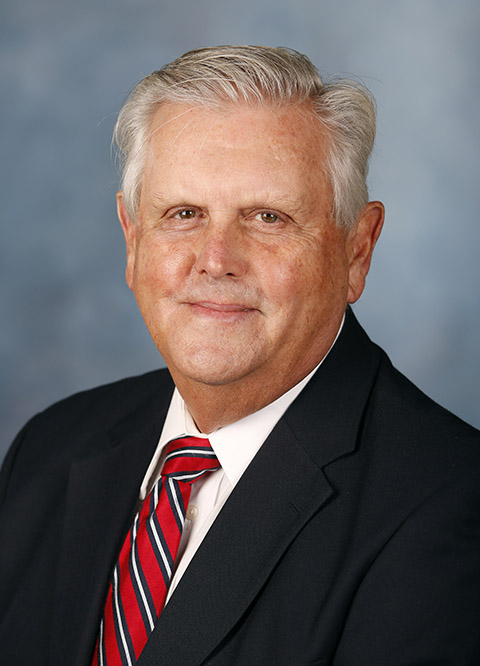

Last week, I had the honor of participating in the announcement of the No Child Left Behind (NCLB) waiver process by President Barack Obama and U.S. Secretary of Education Arne Duncan. Also, I was honored to participate in a media call after the announcement with Sec. Duncan and Georgia State School Superintendent John Barge.
I applaud President Obama and Sec. Duncan for listening to governors, state superintendents, local superintendents, parents, teachers and students who have asked for NCLB flexibility. While we all would prefer that Congress reauthorize NCLB (currently four years past due), we certainly appreciate the President and Sec. Duncan for allowing states to generate innovation and reform to establish higher levels of performance for students, schools and districts.
For interested readers, the U.S. Department of Education has lots of information concerning the waiver process at www.ed.gov/esea/flexibility. The flexibility and waiver do require states to respond to four major areas – college/career ready standards; differentiated accountability and support; improving instruction and leadership; and state review of regulations to allow local districts flexibility from NCLB requirements.
Thanks to 2009’s Senate Bill 1, Kentucky is in a strong position to address these major areas. For over two years, Kentucky has been engaged in developing a differentiated accountability model based on college/career-ready standards and individual student growth. The staff at the Kentucky Department of Education are working overtime to prepare our waiver application, and we believe that Kentucky has an excellent opportunity to meet the requirements for the waiver.
Our timeline for the waiver application is very short; however, we do not anticipate any problems in meeting the deadline. We have to submit by November 14. We will have a statewide webinar on October 19 and meet either face-to-face or through webinars with all advisory groups. Our final draft will be reviewed by our teacher, principal and superintendent advisory groups in late October, and we will provide a public review of our application prior to submission.
I want to assure readers that the waiver process is not an attempt to lower standards or expectations. It is just the opposite. Senate Bill 1 raised expectations to college and career ready for all students AND proficiency for all students. Our waiver request will push for the innovation and flexibility to meet these increased expectations.
As the President stated in his announcement, we cannot wait another generation to get this right. Our children’s future and the economic future of our state and nation are dependent upon our improvement in getting more graduates ready for college and career.
Friday, September 30, 2011


Friday, September 23, 2011
Career and Technical Education: Innovation and Integration
In 2009, Governor Steve Beshear created the Task Force on Transforming Education in Kentucky (TEK). Over a 15-month period, the TEK Task Force met 10 times and hosted a statewide community forum in which more than 1,500 Kentuckians shared their views on improving education in the Commonwealth. On February 21, 2011, the TEK Task Force released a report, Breaking New Ground: Final report of the Governor’s Task Force on Transforming Education in Kentucky, which contained 35 recommendations derived from this process.
One of the recommendations made in that report called for the Secretary of the Education and Workforce Development Cabinet and the Commissioner of Education to establish a steering committee to develop a comprehensive statewide plan to implement a new model of secondary career and technical education (CTE) with an emphasis on innovation and integrating core academics, 21st-century skills, project-based learning and the establishment of full-time CTE programs. This plan was intended to be implemented by the 2012 General Assembly.
This week, the steering committee reviewed the first draft of a discussion paper that addresses the recommendations from the TEK Task Force. The discussion paper included the recommendations from six study groups. These groups were focused on sector strategies; curriculum and programs; assessment and accountability; professional development; operations; and Perkins fund management. The study groups included stakeholders from across the CTE spectrum.
Recently, I had the opportunity to review CTE programs in China and Brazil. These countries are among the fastest-growing in jobs that have a positive impact on the economy. In Brazil, I was particularly interested in the rapid decision-making process to implement CTE programs that meet the sector needs of the country. Given that Brazil is hosting the 2016 Olympics, there is a huge unmet need for construction workers and other skilled workers to address infrastructure needs for the Olympic games. Through this focus on career and technical education and alignment with the jobs that are needed, Brazil is enlarging and strengthening its middle class.
While traveling to Brazil, I read Tom Friedman’s new book – That Used to be Us. Friedman promotes the theory that many of the countries (China, Brazil, India and Russia) have taken a page from the U.S. in promoting education, infrastructure and innovation, while the U.S. seems to be mired in a political quagmire of inaction. As I was watching the excitement and commitment to career and technical education in Brazil, I could not help but think Friedman got the title of the book right.
I hope that our General Assembly will follow the recommendations from the CTE committees and integrate/elevate career technical education in this state so that Kentucky graduates are prepared for the world that they will face and the jobs of the future.
One of the recommendations made in that report called for the Secretary of the Education and Workforce Development Cabinet and the Commissioner of Education to establish a steering committee to develop a comprehensive statewide plan to implement a new model of secondary career and technical education (CTE) with an emphasis on innovation and integrating core academics, 21st-century skills, project-based learning and the establishment of full-time CTE programs. This plan was intended to be implemented by the 2012 General Assembly.
This week, the steering committee reviewed the first draft of a discussion paper that addresses the recommendations from the TEK Task Force. The discussion paper included the recommendations from six study groups. These groups were focused on sector strategies; curriculum and programs; assessment and accountability; professional development; operations; and Perkins fund management. The study groups included stakeholders from across the CTE spectrum.
Recently, I had the opportunity to review CTE programs in China and Brazil. These countries are among the fastest-growing in jobs that have a positive impact on the economy. In Brazil, I was particularly interested in the rapid decision-making process to implement CTE programs that meet the sector needs of the country. Given that Brazil is hosting the 2016 Olympics, there is a huge unmet need for construction workers and other skilled workers to address infrastructure needs for the Olympic games. Through this focus on career and technical education and alignment with the jobs that are needed, Brazil is enlarging and strengthening its middle class.
While traveling to Brazil, I read Tom Friedman’s new book – That Used to be Us. Friedman promotes the theory that many of the countries (China, Brazil, India and Russia) have taken a page from the U.S. in promoting education, infrastructure and innovation, while the U.S. seems to be mired in a political quagmire of inaction. As I was watching the excitement and commitment to career and technical education in Brazil, I could not help but think Friedman got the title of the book right.
I hope that our General Assembly will follow the recommendations from the CTE committees and integrate/elevate career technical education in this state so that Kentucky graduates are prepared for the world that they will face and the jobs of the future.
Friday, September 16, 2011
Follow-Up on Digital Summit
Last week, I mentioned several articles concerning digital learning. One article gave me concern -- “In Classroom of Future, Stagnant Scores.” This article from the New York Times seemed to take us back about 20 years by looking at outdated models of technology with a focus on measures that limit the creativity and innovation of our students and teachers to create higher levels of learning and success. As I was beginning to prepare the blog for this week, I ran across a response from Tom Vander Ark that spoke so well to the issue that I share his response below.
In Kentucky, we are working toward the transformational model for digital learning. We have launched the Unbridled Learning strategic plan that focuses on unleashing the innovation and creativity of our students and teachers to meet the goal of college/career readiness for all. Look for the final set of recommendations from our digital summit later this fall
Matt Richtel wrote the rearview mirror story of the last decade -- technology layered on top of how we've always done school yielding meager results, at least when measured in traditional ways. The story of this decade is that personal digital learning will change the world.
The Sunday feature in the New York Times did a disservice to the field. It's easy to make sweeping statements about the past and prop up critics. Richtel knows well the case for digital learning; he just chose to leave it out.
Where technology is designed in rather than layered on, it is transformational. When it creates entirely new learning opportunities, like the 4 million students learning online, it is transformational. When it enables schools that blend the best of online and onsite learning, it is transformational. Why would Matt look only at weak examples and skip the 40 blended models featured in the Innosight Report, "The Rise of Blended Learning?”
For two years, Gov. Bob Wise's Alliance for Excellent Education has been calling attention to the skill gap, the funding gap and the effective teacher gap. A July report stated, "The Alliance concludes that taking advantage of digital learning to expand opportunities and access for students, especially in rural and urban areas, is the only way to address these issues." The Alliance report goes on to outline 10 examples of smart uses of instructional technology. Why didn't Matt talk to Bob? Why didn't Matt talk to Susan Patrick from the online learning association?
Weak ROI on computers in schools is an old story, but the future will not look like the past. Hundreds of schools and pilot projects make the case for personal digital learning. More broadband, cheap access devices, new apps and powerful platforms are reshaping how people learn. Learning technology is reshaping the world by making education more personal and by creating more time and opportunity.
1. More personal. Instruction at the right level, in the best mode, at the right time, is more effective teaching to the middle of a class with big skill differences; Rocketship's John Danner thinks it's often 10 times more effective. Personalized math products like MIND Research, McGraw's Power of U, and games-based products like Dreambox and Mangahigh have all demonstrated great early results.
2. More time. Online learning allows schools to stretch staffing ratios and leverage teacher talent. Schools that blend online and onsite instruction can afford a longer day and year. Engaging work and motivating feedback are extending learning time. Schools like Rocketship show that it's possible to double productive learning time for kids who need it most.
3. More opportunity. Where policy barriers have come down, online learning is creating more opportunity for every student: access to every AP course, every foreign language course, every STEM course. Online learning is powering virtual schools and new blended models. It's helping students at risk catch up and graduate.
These benefits are evident today in schools like Carpe Diem and in networks like AdvancePath. The benefits are accelerating, and there's no going back. All new teachers grew up digital. Kids come to school wired. Many new learning apps are free and expanding virally. The "new normal" economy is demanding more knowledge and skill, but the fiscal crisis is demanding better outcomes for less money.
A look back is only of value if we learn from success stories as well as mistakes. Matt knows the story; he just left out the good parts: personal digital learning is transforming American public education and extending access to millions of students worldwide.
In Kentucky, we are working toward the transformational model for digital learning. We have launched the Unbridled Learning strategic plan that focuses on unleashing the innovation and creativity of our students and teachers to meet the goal of college/career readiness for all. Look for the final set of recommendations from our digital summit later this fall
Friday, September 9, 2011
Digital Learning in Kentucky
This week, we held a digital summit that was the culmination of a needs assessment conducted by OpenEd Solutions. This consultant group was hired to assess the current situation concerning digital learning in Kentucky and produce recommendations for possible legislative and regulatory changes needed to support the enhancement of digital learning in the state. The recommendations will be informed by the needs assessment and the recent report Digital Learning Now.
Prior to the digital summit, several articles caught my attention. An article in the Huffington Post – “Many U.S. Schools Adding iPads, Trimming Textbooks” -- discussed the emerging trend of digital textbooks using the iPad as the platform. Recently, we announced the launch of iTunes U at Woodford County High School, and that district was mentioned in the article as one of over 600 school districts in the nation that have launched a 1:1 tablet project to provide digital learning resources and textbooks to students. Houghton Mifflin Harcourt has developed a digital version of the Algebra II textbook with free interactive digital resources for students and teachers. The digital textbook sells for $60, and the hardcover sells for $73. It is yet to be seen if publishers will offer digital textbooks and materials at a significant savings that in turn could be used to purchase tablets or netbooks. Our recommendations from the digital report will certainly have to discuss funding models that allow districts to use textbook funding (if we ever have textbook funds again) for the purchase of digital resources and equipment.
A key question to be addressed will be student and teacher access to websites. Currently, our state and many districts interpret Internet protection regulations very stringently. This means students and teachers often complain to the technology staff that important resources are not accessible. In the New York Times this past weekend, I read an article on how students are helping teachers find ways around district/school Internet firewalls to access Facebook. Given the innovation of our students, it is impossible to successfully block inappropriate sites. Our digital report will certainly have to address this issue and how we manage access in the future, given limited resources.
Finally, the ultimate question relates to student learning outcomes. Does digital learning make a difference in student learning outcomes? In another New York Times article, “In Classroom of Future, Stagnant Scores,” the Kyrene School District in Arizona is highlighted. This district is a suburban district that obtained, through a ballot initiative, $33 million for investments in technology. Every classroom is a “classroom of the future,” with Smartboards, wireless, response devices and computers. As the district prepares to continue the technology focus with a $56 million ballot initiative this fall, concerns have risen over stagnant test scores in reading and math. Professor Larry Cuban from Stanford University says there is no evidence in the research that technology enhances student learning outcomes, and there seems to be no justification for this level of expenditure. Teachers in the district question the funding for technology in a time of tight budgets and lack of resources such as paper and Kleenex for classrooms.
Digital learning in Kentucky is at a crossroads. Certainly, any use of resources must focus on student learning with the outcome of college/career readiness for all students. In a time of limited resources, do we support digital learning expenditures? Look for next week’s blog, when I’ll discuss this important question.
Prior to the digital summit, several articles caught my attention. An article in the Huffington Post – “Many U.S. Schools Adding iPads, Trimming Textbooks” -- discussed the emerging trend of digital textbooks using the iPad as the platform. Recently, we announced the launch of iTunes U at Woodford County High School, and that district was mentioned in the article as one of over 600 school districts in the nation that have launched a 1:1 tablet project to provide digital learning resources and textbooks to students. Houghton Mifflin Harcourt has developed a digital version of the Algebra II textbook with free interactive digital resources for students and teachers. The digital textbook sells for $60, and the hardcover sells for $73. It is yet to be seen if publishers will offer digital textbooks and materials at a significant savings that in turn could be used to purchase tablets or netbooks. Our recommendations from the digital report will certainly have to discuss funding models that allow districts to use textbook funding (if we ever have textbook funds again) for the purchase of digital resources and equipment.
A key question to be addressed will be student and teacher access to websites. Currently, our state and many districts interpret Internet protection regulations very stringently. This means students and teachers often complain to the technology staff that important resources are not accessible. In the New York Times this past weekend, I read an article on how students are helping teachers find ways around district/school Internet firewalls to access Facebook. Given the innovation of our students, it is impossible to successfully block inappropriate sites. Our digital report will certainly have to address this issue and how we manage access in the future, given limited resources.
Finally, the ultimate question relates to student learning outcomes. Does digital learning make a difference in student learning outcomes? In another New York Times article, “In Classroom of Future, Stagnant Scores,” the Kyrene School District in Arizona is highlighted. This district is a suburban district that obtained, through a ballot initiative, $33 million for investments in technology. Every classroom is a “classroom of the future,” with Smartboards, wireless, response devices and computers. As the district prepares to continue the technology focus with a $56 million ballot initiative this fall, concerns have risen over stagnant test scores in reading and math. Professor Larry Cuban from Stanford University says there is no evidence in the research that technology enhances student learning outcomes, and there seems to be no justification for this level of expenditure. Teachers in the district question the funding for technology in a time of tight budgets and lack of resources such as paper and Kleenex for classrooms.
Digital learning in Kentucky is at a crossroads. Certainly, any use of resources must focus on student learning with the outcome of college/career readiness for all students. In a time of limited resources, do we support digital learning expenditures? Look for next week’s blog, when I’ll discuss this important question.
Friday, September 2, 2011
What is Proficiency?
From the annual National Center for Education Statistics (NCES) analysis of state proficiency standards compared to National Assessment of Educational Progress (NAEP) scoring scales:
“NCLB required states to develop their own assessments and set proficiency standards to measure student achievement. Each state controls its own assessment programs, including developing its own standards, resulting in great variation among the states in statewide student assessment practices. This variation creates a challenge in understanding the achievement levels of students across the United States.”
Since 2003, NCES has supported research to compare the proficiency standards of NAEP with those of individual states. The latest report was recently released and is available http://nces.ed.gov/nationsreportcard/studies/statemapping/.
What did this year’s report tell us about Kentucky’s and other states’ assessments as compared to NAEP results?
· In grade 4 reading, 35 states have proficiency cut scores that are below the basic cut score on NAEP. Fifteen states have proficiency cut scores between basic and proficient. No state has a cut score for proficient that equals the NAEP proficiency cut score. Kentucky has the 17th-highest cut score on this comparison, and it is slightly below the basic level on NAEP.
· In grade 8 reading, 16 states are below NAEP’s basic level, and 34 states are between basic and proficient on the NAEP scale. No state has a proficiency score equal to or above NAEP proficiency levels. Kentucky ranks 12th among the states, and the Kentucky proficient level is between the NAEP basic and proficient levels.
· In grade 4 math, seven states have proficient cut scores below the NAEP basic level; one state (Massachusetts) has a proficient cut score at or above NAEP proficient cut score; and 42 states are between basic and proficient. Kentucky ranks 22nd and is between basic and proficient.
· In grade 8 math, Kentucky ranks 15th and is between basic and proficient. Massachusetts is the only state with proficient cut scores at or above the NAEP proficient level.
What does this mean? Kentucky’s cut scores for our state assessments are, for the most part, in the top third of states, and when compared to NAEP levels, our cut scores are between basic and proficient levels.
As we implement the new accountability system, the Kentucky Board of Education (KBE) will set student performance levels for novice, apprentice, proficient and distinguished. The KBE will receive guidance and advice from many groups of stakeholders. Our National Technical Advisory Panel for Assessment and Accountability (NTAPAA) and our School Curriculum, Accountability and Assessment Council (SCAAC) will play key roles.
My recommendation to the KBE will focus on establishing levels that are linked closely to college/career readiness. We have hired experts to establish these levels from 8th grade back to 3rd grade. Our high school end-of-course assessments already have these levels linked to PLAN and ACT results.
What does this mean to parents, students, teachers, principals, superintendents and the public? They will see proficiency levels in Kentucky move from 70 percent or higher in many grade levels to proficiency levels more closely aligned to NAEP and college readiness results.
Many states are moving in this direction. Recently, Tennessee took this major step. Virginia, Michigan, North Carolina, Georgia and others are moving to proficiency levels that predict college/career readiness.
This is the right thing to do for our children and their future. The percentages of proficient students may drop, and readers should understand the reasons why. The key will be communication that there are new standards and new expectations, and it will not be appropriate to compare results from the spring 2012 assessment to those from the 2011 assessment. Hopefully, our media representatives will get that message. Now is the time to start the conversation at the state and local levels.
“NCLB required states to develop their own assessments and set proficiency standards to measure student achievement. Each state controls its own assessment programs, including developing its own standards, resulting in great variation among the states in statewide student assessment practices. This variation creates a challenge in understanding the achievement levels of students across the United States.”
Since 2003, NCES has supported research to compare the proficiency standards of NAEP with those of individual states. The latest report was recently released and is available http://nces.ed.gov/nationsreportcard/studies/statemapping/.
What did this year’s report tell us about Kentucky’s and other states’ assessments as compared to NAEP results?
· In grade 4 reading, 35 states have proficiency cut scores that are below the basic cut score on NAEP. Fifteen states have proficiency cut scores between basic and proficient. No state has a cut score for proficient that equals the NAEP proficiency cut score. Kentucky has the 17th-highest cut score on this comparison, and it is slightly below the basic level on NAEP.
· In grade 8 reading, 16 states are below NAEP’s basic level, and 34 states are between basic and proficient on the NAEP scale. No state has a proficiency score equal to or above NAEP proficiency levels. Kentucky ranks 12th among the states, and the Kentucky proficient level is between the NAEP basic and proficient levels.
· In grade 4 math, seven states have proficient cut scores below the NAEP basic level; one state (Massachusetts) has a proficient cut score at or above NAEP proficient cut score; and 42 states are between basic and proficient. Kentucky ranks 22nd and is between basic and proficient.
· In grade 8 math, Kentucky ranks 15th and is between basic and proficient. Massachusetts is the only state with proficient cut scores at or above the NAEP proficient level.
What does this mean? Kentucky’s cut scores for our state assessments are, for the most part, in the top third of states, and when compared to NAEP levels, our cut scores are between basic and proficient levels.
As we implement the new accountability system, the Kentucky Board of Education (KBE) will set student performance levels for novice, apprentice, proficient and distinguished. The KBE will receive guidance and advice from many groups of stakeholders. Our National Technical Advisory Panel for Assessment and Accountability (NTAPAA) and our School Curriculum, Accountability and Assessment Council (SCAAC) will play key roles.
My recommendation to the KBE will focus on establishing levels that are linked closely to college/career readiness. We have hired experts to establish these levels from 8th grade back to 3rd grade. Our high school end-of-course assessments already have these levels linked to PLAN and ACT results.
What does this mean to parents, students, teachers, principals, superintendents and the public? They will see proficiency levels in Kentucky move from 70 percent or higher in many grade levels to proficiency levels more closely aligned to NAEP and college readiness results.
Many states are moving in this direction. Recently, Tennessee took this major step. Virginia, Michigan, North Carolina, Georgia and others are moving to proficiency levels that predict college/career readiness.
This is the right thing to do for our children and their future. The percentages of proficient students may drop, and readers should understand the reasons why. The key will be communication that there are new standards and new expectations, and it will not be appropriate to compare results from the spring 2012 assessment to those from the 2011 assessment. Hopefully, our media representatives will get that message. Now is the time to start the conversation at the state and local levels.
Friday, August 26, 2011
Digital Learning in Kentucky
Kentucky was one of the early leaders in virtual learning. Today, we are struggling to find the appropriate methods for funding, support and innovation.
Over the past two years, we have been working first through the Transforming Education in Kentucky task force and now through an “innovative pathways to graduation” committee to define how we can create more opportunities for students and teachers to engage in digital learning.
Our work in Kentucky is being informed through the Digital Learning Now report that was a collaborative project of former Florida Governor Jeb Bush and former West Virginia Governor Bob Wise. We have been utilizing the services of a consulting firm – OpenEd Solutions – to develop key recommendations for policy and budget decisions. The consulting firm is conducting an analysis of current digital learning conditions in Kentucky and will host a Digital Summit on September 7 in Lexington to further develop a final report. The final report will then be presented to Kentucky Board of Education and key legislators for action in the 2012 session.
This week saw some exciting potential for the future of digital learning in Kentucky. In a joint press conference held at Woodford County High School, Governor Steve Beshear, University of Kentucky President Eli Capilouto, Kentucky Educational Television Executive Director Shae Hopkins and I announced the launch of the Kentucky on iTunes U site. This free source provides access to numerous teacher- and student-friendly sites that provide unlimited opportunities for digital learning.
Also, it was exciting to witness the deployment of a 1:1 iPad solution in Woodford County High classrooms. Students and teachers demonstrated exciting new opportunities for digital learning. Superintendent Scott Hawkins and his team are to be commended for their innovative work. Woodford County joins many other Kentucky school districts with similar 1:1 projects and a focus on innovation.
Our partners at the UK P20 Innovation Lab and the Center for the Advanced Study of Technology Leadership in Education (CASTLE) are stretching our thinking for the future. Also, a group of 16 school districts is partnering with us through the Stupski Foundation and Council of Chief State School Officers (CCSSO) to design the next generation of schools and learning opportunities.
The energy, interest and creative abilities exist in Kentucky to create the national model for digital learning. Stay tuned for the final report from our digital summit.
Over the past two years, we have been working first through the Transforming Education in Kentucky task force and now through an “innovative pathways to graduation” committee to define how we can create more opportunities for students and teachers to engage in digital learning.
Our work in Kentucky is being informed through the Digital Learning Now report that was a collaborative project of former Florida Governor Jeb Bush and former West Virginia Governor Bob Wise. We have been utilizing the services of a consulting firm – OpenEd Solutions – to develop key recommendations for policy and budget decisions. The consulting firm is conducting an analysis of current digital learning conditions in Kentucky and will host a Digital Summit on September 7 in Lexington to further develop a final report. The final report will then be presented to Kentucky Board of Education and key legislators for action in the 2012 session.
This week saw some exciting potential for the future of digital learning in Kentucky. In a joint press conference held at Woodford County High School, Governor Steve Beshear, University of Kentucky President Eli Capilouto, Kentucky Educational Television Executive Director Shae Hopkins and I announced the launch of the Kentucky on iTunes U site. This free source provides access to numerous teacher- and student-friendly sites that provide unlimited opportunities for digital learning.
Also, it was exciting to witness the deployment of a 1:1 iPad solution in Woodford County High classrooms. Students and teachers demonstrated exciting new opportunities for digital learning. Superintendent Scott Hawkins and his team are to be commended for their innovative work. Woodford County joins many other Kentucky school districts with similar 1:1 projects and a focus on innovation.
Our partners at the UK P20 Innovation Lab and the Center for the Advanced Study of Technology Leadership in Education (CASTLE) are stretching our thinking for the future. Also, a group of 16 school districts is partnering with us through the Stupski Foundation and Council of Chief State School Officers (CCSSO) to design the next generation of schools and learning opportunities.
The energy, interest and creative abilities exist in Kentucky to create the national model for digital learning. Stay tuned for the final report from our digital summit.
Friday, August 19, 2011
Operation Preparation
This week, Kentucky was host to the annual release of ACT results. The annual data release is usually held in Washington, D.C. This year, ACT, Inc. wanted to highlight the national focus on college and career readiness.
When ACT staff called to ask me if they could coordinate the national release with our state release, they said Kentucky was one of the leading states in implementing the college and career readiness agenda in the nation. We chose the Jessamine County Career and Technical Center to highlight the work of Superintendent Lu Young and her community in implementing the Commonwealth Commitment for College and Career Readiness. While we did have to choose one location for the announcement, the location represented the tremendous work that all schools and districts in the Commonwealth are doing to implement the Commonwealth Commitment.
ACT President Jon Erickson highlighted the areas where the nation and Kentucky have improved and also offered several suggestions for improvement at the state and national levels. We were informed that, of the four states who have made significant progress on ACT results, Kentucky ranks second.
Rep. Carl Rollins and Sen. Ken Winters made remarks about the importance of Senate Bill 1 and Educational Planning and Assessment System (EPAS) legislation. Council on Postsecondary Education President Bob King also highlighted the legislative history and the tremendous partnership between P-12 and higher education in Kentucky.
As we celebrate the national-level attention that Kentucky is receiving due to Senate Bill 1 and the subsequent implementation of our Unbridled Learning strategic plan, I wanted to focus on why this is important to all Kentucky citizens. Senate Bill 1, while focused on education, was also the most important economic development legislation passed in recent history.
Why? Education equals employment, which in turn equals an improved economy. The research is very clear. A more-educated populace will mean improved opportunities for Kentucky citizens with health care, jobs that pay higher wages, less dependency on social programs, improved tax receipts and a safer community.
Senate Bill 1 also raised the expectations for ALL Kentucky children and improved the chances that ALL Kentucky children would receive an education that prepares them for their future. With our focus on administering the ACT to 100 percent of Kentucky public high school juniors, we have seen a dip in our overall scores. This was to be expected, as evidenced by the 11 other states that have more than 90 percent of students taking the ACT.
However, we are seeing slow and steady trends of improvement. The key number for me is the number of test takers in Kentucky. In 2008, we had 31,728 students take the ACT. In 2011, we had 46,428 students take the ACT. This is an increase of more than 14,000 students.
In 2008, slightly more than 6,000 students in Kentucky met all ACT college-ready benchmarks. In 2011, over 7,400 Kentucky graduates met ACT college-ready benchmarks. By assessing all students, we have discovered more than 1,400 students who are college- and career-ready and that normally would not have taken the ACT. As we continue to focus our college and career ready agenda on all children, we will continue to find more children who did not believe they had the capacity to attend college.
As we find more and more children who have the ability, we will need to find ways to support them academically and financially. A key support for these students is college and career advising. We announced a statewide project, Operation Preparation, this week. This is an effort to provide advising to all 8th and 10th graders in Kentucky during the week of March 12-16, 2012.
Our school counselors have a student-to-counselor ratio of one to over 500. It is impossible for our counselors to individualize college/career advising, so we are asking our many partners across the state to assist. We are asking PTAs, chambers of commerce, Workforce Investment Boards, higher education and business to assist in Operation Preparation.
While there are many details to work out with regard to volunteer screening and training, we are announcing the initiative now so volunteers can start planning their schedules. The Kentucky Department of Education will coordinate this project and provide a toolkit for implementation of Operation Preparation. Look for many more details in the near future.
It is our hope that volunteers across the state will dedicate an hour or two next spring to improve the future of the Commonwealth and the future of a child.
When ACT staff called to ask me if they could coordinate the national release with our state release, they said Kentucky was one of the leading states in implementing the college and career readiness agenda in the nation. We chose the Jessamine County Career and Technical Center to highlight the work of Superintendent Lu Young and her community in implementing the Commonwealth Commitment for College and Career Readiness. While we did have to choose one location for the announcement, the location represented the tremendous work that all schools and districts in the Commonwealth are doing to implement the Commonwealth Commitment.
ACT President Jon Erickson highlighted the areas where the nation and Kentucky have improved and also offered several suggestions for improvement at the state and national levels. We were informed that, of the four states who have made significant progress on ACT results, Kentucky ranks second.
Rep. Carl Rollins and Sen. Ken Winters made remarks about the importance of Senate Bill 1 and Educational Planning and Assessment System (EPAS) legislation. Council on Postsecondary Education President Bob King also highlighted the legislative history and the tremendous partnership between P-12 and higher education in Kentucky.
As we celebrate the national-level attention that Kentucky is receiving due to Senate Bill 1 and the subsequent implementation of our Unbridled Learning strategic plan, I wanted to focus on why this is important to all Kentucky citizens. Senate Bill 1, while focused on education, was also the most important economic development legislation passed in recent history.
Why? Education equals employment, which in turn equals an improved economy. The research is very clear. A more-educated populace will mean improved opportunities for Kentucky citizens with health care, jobs that pay higher wages, less dependency on social programs, improved tax receipts and a safer community.
Senate Bill 1 also raised the expectations for ALL Kentucky children and improved the chances that ALL Kentucky children would receive an education that prepares them for their future. With our focus on administering the ACT to 100 percent of Kentucky public high school juniors, we have seen a dip in our overall scores. This was to be expected, as evidenced by the 11 other states that have more than 90 percent of students taking the ACT.
However, we are seeing slow and steady trends of improvement. The key number for me is the number of test takers in Kentucky. In 2008, we had 31,728 students take the ACT. In 2011, we had 46,428 students take the ACT. This is an increase of more than 14,000 students.
In 2008, slightly more than 6,000 students in Kentucky met all ACT college-ready benchmarks. In 2011, over 7,400 Kentucky graduates met ACT college-ready benchmarks. By assessing all students, we have discovered more than 1,400 students who are college- and career-ready and that normally would not have taken the ACT. As we continue to focus our college and career ready agenda on all children, we will continue to find more children who did not believe they had the capacity to attend college.
As we find more and more children who have the ability, we will need to find ways to support them academically and financially. A key support for these students is college and career advising. We announced a statewide project, Operation Preparation, this week. This is an effort to provide advising to all 8th and 10th graders in Kentucky during the week of March 12-16, 2012.
Our school counselors have a student-to-counselor ratio of one to over 500. It is impossible for our counselors to individualize college/career advising, so we are asking our many partners across the state to assist. We are asking PTAs, chambers of commerce, Workforce Investment Boards, higher education and business to assist in Operation Preparation.
While there are many details to work out with regard to volunteer screening and training, we are announcing the initiative now so volunteers can start planning their schedules. The Kentucky Department of Education will coordinate this project and provide a toolkit for implementation of Operation Preparation. Look for many more details in the near future.
It is our hope that volunteers across the state will dedicate an hour or two next spring to improve the future of the Commonwealth and the future of a child.
Subscribe to:
Posts (Atom)