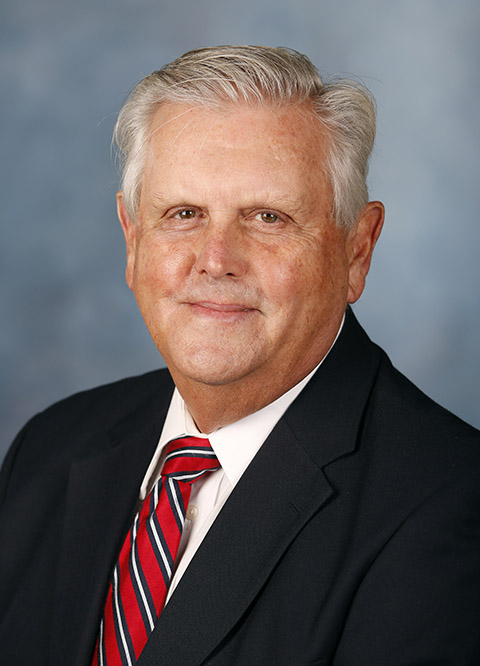
With the implementation of our new Professional Growth and Effectiveness System this fall, I have been closely monitoring the national conversation concerning student growth and pay for performance. We have been lucky in Kentucky to have leadership by teachers, principals, and superintendents to develop a balanced system of effectiveness that focuses on the professional growth of educators NOT getting rid of them. While the overall goal is college/ career-readiness for all, our success in improving student outcomes will be determined, in a large part, by getting the system RIGHT!
I have long been a systems thinker and have been heavily influenced by the work of Edwards Deming. In his book Out of the Crisis, Dr. Deming had some astute observations about annual performance evaluations that were connected to merit or performance pay. Here is an excerpt from page 101:
Evaluation of performance, merit rating, or annual review… “The idea of a merit rating is alluring. The sound of the words captivates the imagination: pay for what you get; get what you pay for; motivate people to do their best, for their own good.” Deming says that may be fine in theory, but “the effect is exactly the opposite of what the words promise.”
Deming went on to say that 90-95 percent of the variation in an individual’s performance and the performance of the organization (in our case a school) could be attributed to the system. Implementing a teacher evaluation system that focuses solely on student performance is a simplistic answer to a very complex system and is WRONG!
We must ask ourselves, are we trying to develop a system that will result in students learning to think or simply take tests?
In Kentucky, we are focused on the entire system of professional growth and effectiveness to support teachers, principals, and superintendents which will result in student success.
The system includes a focus on working conditions that impact student learning. Another key focus is providing access to professional learning that is customized to the needs of the teacher, principal or superintendent. A very large part of the system is teacher preparation. In collaboration with the Education Professional Standards Board and Council on Postsecondary Education, our state is working closely with universities to improve the teacher recruitment, preparation, placement and the retention of great teachers. There are many more parts of the system we are working on.
Quite often the Kentucky Department of Education is criticized for working on too many things at one time. However, if you truly want to reform a system, you cannot work on only one part of the system until you perfect it and then move on to the next part. Every action you take has a ripple effect on other parts of the system. System work can be hard and very frustrating; however, if we want to reform our education system to help more children achieve college/career-readiness and success, then it is our responsibility to do the work and to get the system RIGHT!
Terry Holliday, Ph.D.
Education Commissioner
Kentucky is on the verge of what may be one of the most historic accomplishments that the Kentucky Board of Education has ever undertaken.
At the board’s recent meeting, members approved the regulation governing the Professional Growth and Effectiveness System. This regulation implements the recommendations from the Teacher and Principal Effectiveness System steering committees that have been hard at work for several years.
Also during meeting, Chief of Staff Tommy Floyd provided an update on the implementation of the superintendent effectiveness system. Tommy was supported by superintendents from Floyd and Kenton County.
A collective Professional Growth and Effectiveness System – for teachers, principals and superintendents – all slightly different, yet all aligned and with a common goal – continuous improvement toward becoming the most effective educators to prepare all of our students for success.
So why is this such a big deal? As readers may know, I am an advocate of systems thinking; my leadership derives from the work of Edwards Deming. Systems thinking on the surface makes a lot of sense – think of it like an orchestra, a network of interdependent components work together to accomplish the aim of the system – for instance the performance of a symphony. As is the case with music, the implementation of systems thinking is very complex and requires many years of training and support. I have been fortunate that through the Baldrige National Quality Award, I have received such training and support on how to implement systems-based reform efforts in education.
In Kentucky, we have been moving slowly but surely on our systems reform agenda. Our work began with the passage of Senate Bill 1 in 2009. This bill was very much a “systems” bill in that it addressed key elements of the education system in Kentucky – standards, assessment, accountability, teacher professional development, and a balanced approach to a world class education. Kentucky has moved forward and has led the nation in the implementation of standards, assessments, and accountability.
The final piece of the system was the human resource piece which addresses the capacity and the capability of all Kentucky educators to implement the standards, assessments, and accountability components so that all students reach their full potential and graduate from high school ready for college and careers. Based on the terrific leadership and hard work of our teacher, principal and superintendent effectiveness committees, the Kentucky Board of Education has adopted key processes to address the human resource piece of systems thinking. The board focused on effectiveness rather than evaluation.
Through the regulations adopted, Kentucky educators will concentrate on the alignment of standards, assessment, accountability, balanced curriculum, and professional growth. What the state values as outcomes for children will now be the focus of effectiveness discussions from the board room to the classroom. A few years down the road, if Kentucky stays committed to the system developed, we will see significant growth in student success. We have already seen significant success in graduation rates and college/career-readiness rates.
I have heard of educators leaving other states due to their disillusionment with the education reform efforts. I hope Kentucky educators recognize how important their role is and will be in advancing education reform efforts that make sense to improve the education system for ALL children and educators. I tip my hat to all of the tremendous work that Kentucky educators have done and will continue to do to this end.